Bamboo surveys for residential and commercial properties. Residential surveys from £210 +VAT, including all assessments.
Our Bamboo Survey reports are commonly requested by banks and building societies to support mortgage applications.
As every site is unique, our specialist surveyors will visit to assess the site and advise on the most appropriate treatment or removal of Bamboo.
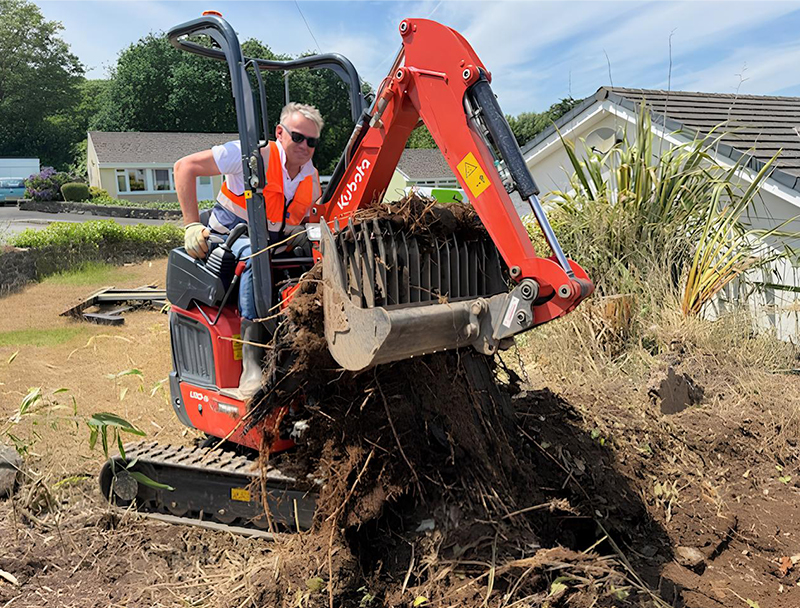
Southwest Bamboo is a member of the Southwest Knotweed Group, with a highly qualified team across Devon, Somerset, Cornwall, and Dorset. We offer bespoke invasive plant solutions, encompassing all aspects of invasive plant remediation including; herbicide treatment programmes and mechanical bamboo excavation methods.
Our trained and qualified bamboo specialists operate throughout the southwest and are always on hand to guide you through the process of Bamboo removal; starting from the initial survey, throughout a given management plan and, if required, during the guarantee period.
Choosing the correct contractor can always be daunting, particularly when entering into a long-term management plan, where a premium is placed upon trust, service and confidence. Southwest Knotweed offer a professional experienced service, that only a family run business can provide. Having served the Southwest since 2011, Southwest Knotweed have built a solid reputation for professionalism, knowledge and accountability with a human touch; ensuring you can get the best possible advice from those qualified to give it.
Founded in 2011, our original vision to offer the best professional invasive weed management services to residential and commercial customers still inspires us. We have teams all over the Southwest and operate from Cornwall to Dorset.
We have evolved along with the invasive weed control industry. We have all the systems in place to generate comprehensive survey reports and site visit records, and we are always looking at ways to work smarter so that we can get our results spot on every time. What we really pride ourselves on, though, is our reputation for excellent customer service, expertise, and professionalism.
PCA Registered
We are PCA registered and have all the relevant industry associations so that you can be confident that our invasive weed services are the best standard of professional practice available anywhere in the Southwest.
TrustMark Accredited
TrustMark is the Government Endorsed Quality Scheme that covers work a consumer chooses to have carried out in or around their home.
Amenity Standard Members
The Amenity Standard is designed to provide reassurance and is a major step forward in the sector. If operators can demonstrate that they hold the Standard, there can be confidence that processes and products used are safe and meet legal requirements, with staff that are fully trained and certificated.
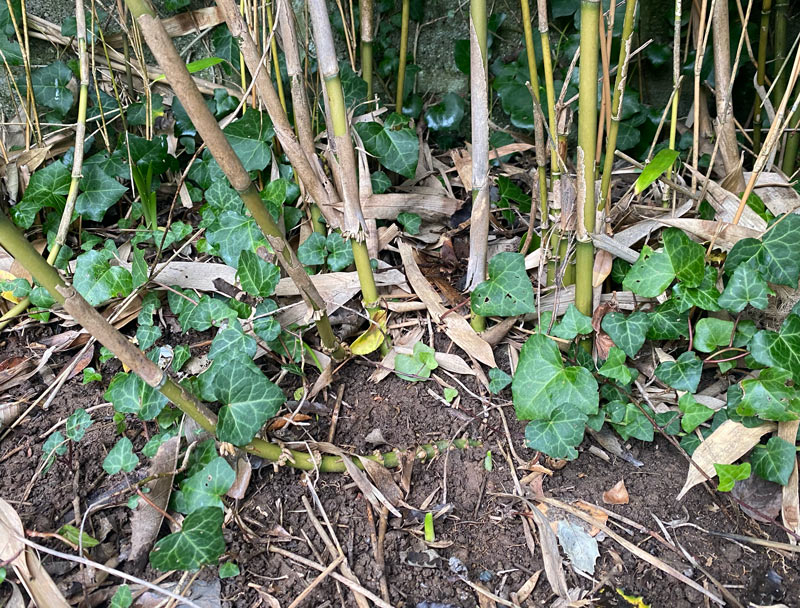
Yes, bamboo can cause damage, but it can be avoided by acting quickly. Bamboo typically becomes problematic where maturity is present.
If you have images of the bamboo, use our free identification section on our website, and we’ll be able to identify the type you have.
While clumping bamboos are usually less invasive and pose less risk to the built environment, they can still be problematic.
Although bamboo isn’t under specific legislation, bamboo encroachment is considered a public nuisance under common law. Therefore, it’s important to act quickly. You should communicate with your neighbour and ensure you’re proactive in resolving the problem.
Cutting bamboo down, while visually effective, can stimulate growth in the long term.
Please don’t use any chemicals or try to poison the bamboo with products that aren’t meant for weed control. This can lead to ground contamination, and if the Environment Agency finds out, you could be subject to massive fines and even criminal charges.
Southwest Knotweed operatives are fully qualified in the application of herbicides – NPTC PA1 PA6 PA6 AW and with every contract where a water course Is present, require an aquatic licence prior to any application. The Herbicides we use have full aquatic approval, which is another reason to avoid in-house remediation, especially where watercourses are present.